

For more than a decade, Japan held the position of the world’s third biggest economy as measured by GDP. Though the position will be overtaken by Germany this year, many might be delighted to hear that in August, Japan was named the world’s third biggest wellness economy by the Global Wellness Institute (GWI).
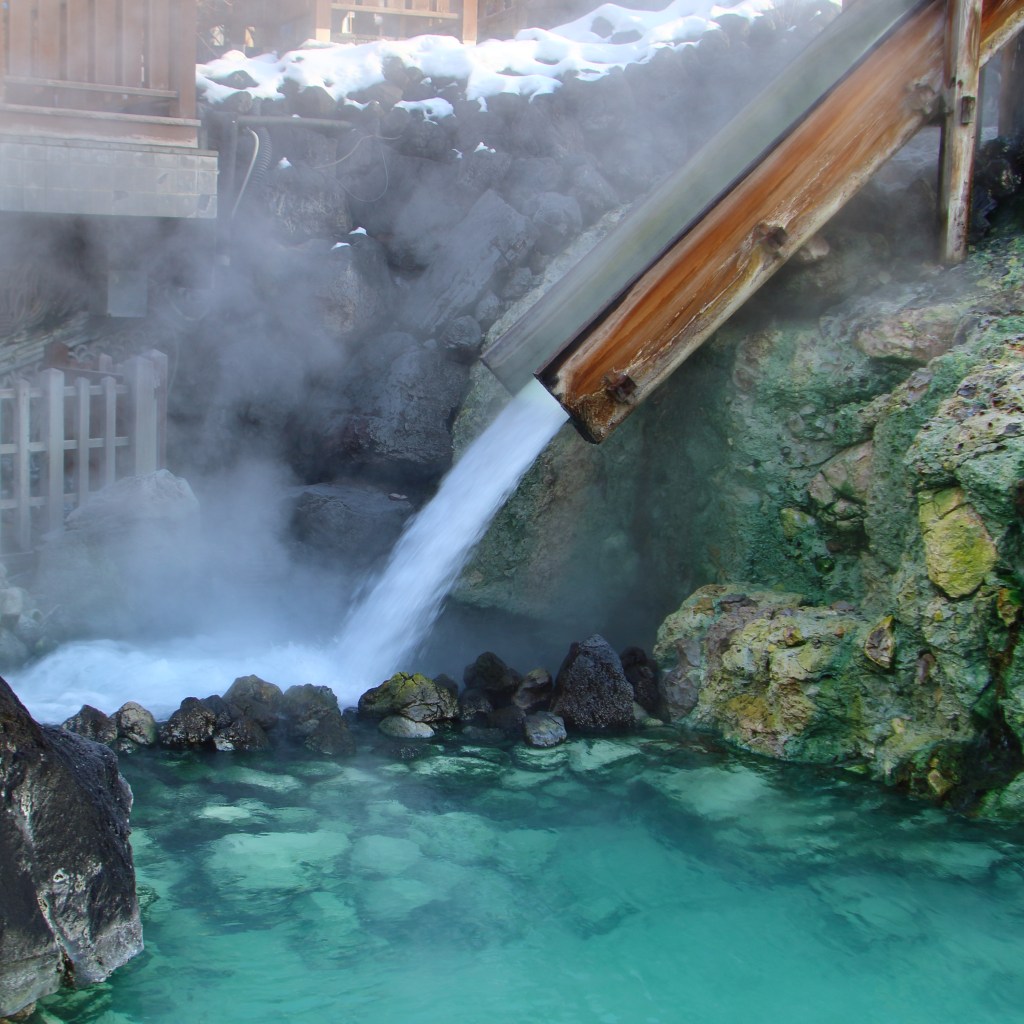
As a country, Japan has traditionally been associated with a myriad of desirable wellness lifestyle aspects. These aspects include, but are certainly not limited to, healthy eating, physical activity, Zen philosophy and natural resources. In particular, the variety of available thermal and mineral hot springs play a visible role, attracting visitors from near and afar.
“Japan is an amazing example of a sustainable, strong wellness economy.”
– Susie Ellis, GWI chair and CEO
However, one would be mistaken to think that the bathing scene in Japan is all about existing natural infrastructure. Wellness real estate expanded massively (from $2.5 billion to $11.5 billion) between 2017 and 2020, being identified as a particular growth opportunity by the GWI. Who knows what the numbers might have been in the years after that if not for the interference of the coronavirus pandemic. For those who have been following the bathing scene and especially the contemporary Japanese sauna boom that started in the early 2010s, this soaring development hardly comes as a surprise.
When overtly focusing on the long-standing wellness tradition, one might inadvertently disregard the fact that active and ongoing processes of product and service development are consistently made in the Japanese fields of wellness and health. This newly acclaimed status as a highly regarded wellness economy is proof enough that Japan is utilising cutting-edge approaches and demonstrating their competitive force in the wellness sector internationally. Especially with the current decline of the Russian market, Japan has become an even more attractive option to concentrate on. Therefore, leading sauna and spa companies definitely have their gaze turned toward the Japanese market, if they have not already done so.
With major structural shifts and initiatives happening in the field lately, it will be interesting to observe how the situation develops and how things might change around in the upcoming years. However, as an individual who is involved with saunas both academically and professionally, I must also be wary of the possible risks regarding this development. After all, there is no infinite growth on a planet with finite resources. This is why careful thought really needs to be directed toward imagining truly sustainable and responsible futures where growth-oriented motivations do not overpower the well-being of local communities. We have already been once proven to be prone to interruption by one global crisis, so wellness projects and services should be build in a way that allows future generations to prosper and be resilient to fickle transitions in the globalised world.
 Eetu-Antti Hartikainen
Leave a comment